Fresh herbs have the power to transform simple meals into memorable dishes, and Koriandri is one of the most versatile options you can keep in your kitchen. Known for its bright aroma and refreshing taste, this herb appears in cuisines around the world—from home-style comfort food to vibrant street dishes. When used thoughtfully, it enhances flavor without overpowering a recipe, making it ideal for everyday cooking as well as special occasions.
In this guide, you’ll learn practical, approachable ways to bring coriander into daily meals, how to balance its flavor, and how to avoid common mistakes that make people shy away from it.
Understanding Koriandri in Daily Meals
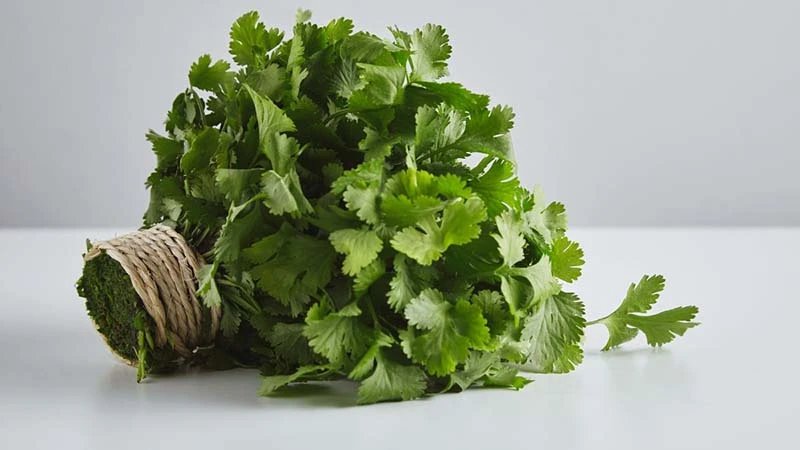
Before using any ingredient confidently, it helps to understand what it brings to the table. This herb offers a citrusy, slightly peppery note that works especially well in fresh or lightly cooked dishes. Its flavor is strongest when raw and softens when heated.
Why does it work so well in everyday cooking
- Versatile flavor: Pairs easily with vegetables, meats, grains, and legumes
- Fresh finish: Brightens heavy or rich dishes
- Quick impact: A small amount can elevate a meal instantly
Unlike dried spices that require long cooking times, fresh coriander is best added at the end of cooking or used raw. This makes it perfect for busy home cooks who want maximum flavor with minimal effort.
Fresh leaves vs. seeds
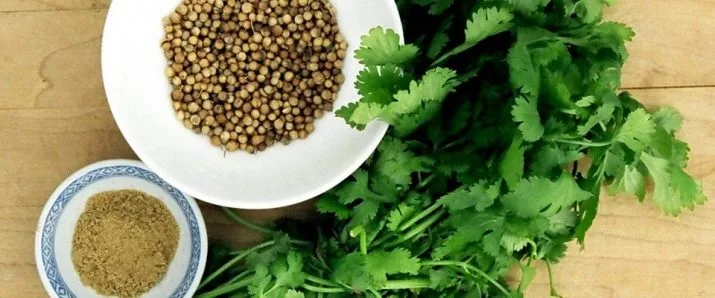
While the leaves add freshness, the seeds provide warmth and depth. Both come from the same plant but behave very differently in recipes. For everyday meals:
- Use leaves as a garnish or blend them into sauces
- Use seeds when slow-cooking soups, stews, or rice dishes
According to food science guidance from trusted institutions like the USDA, fresh herbs also contribute small amounts of antioxidants and micronutrients, adding nutritional value alongside flavor.
Simple Ways to Use Koriandri Every Day
Many people associate coriander with specific cuisines, but its use can be surprisingly flexible. You don’t need complex recipes—small, consistent uses make the biggest difference.
1. Stir into salads and bowls
Chop fresh leaves finely and sprinkle them over:
- Grain bowls with rice or quinoa
- Lentil or chickpea salads
- Simple tomato and cucumber salads
The herb adds brightness and beautifully balances acidic dressings.
2. Blend into quick sauces
One of the easiest ways to use coriander is in sauces you can store for several days:
- Yogurt-based dipping sauces
- Green herb chutneys
- Light vinaigrettes for roasted vegetables
A basic blend of leaves, garlic, lemon juice, and olive oil can become your go-to topping for grilled vegetables or proteins.
3. Finish warm dishes
Add chopped leaves just before serving:
- Soups and stews
- Stir-fries
- Roasted vegetables
This finishing touch enhances flavors without altering the dish’s core taste.
Flavor Pairings That Always Work
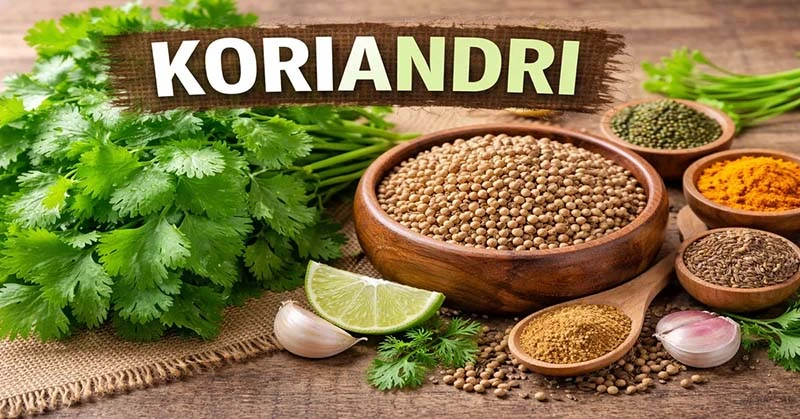
Pairing coriander with the right ingredients makes it approachable even for those unsure of its taste.
Reliable pairings include:
- Citrus fruits like lime and lemon
- Garlic and onions
- Tomatoes and peppers
- Yogurt and light cheeses
These combinations soften sharp notes and create balance. If you’re cooking for someone sensitive to the flavor, start with small amounts and increase gradually.
Storage Tips to Keep It Fresh Longer
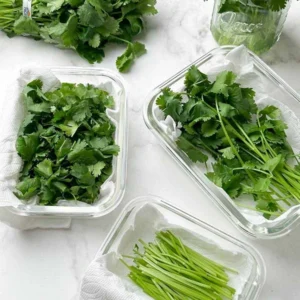
Nothing is more frustrating than herbs wilting after one use. Proper storage helps you use them more often.
Best practices:
- Trim stems and store upright in a glass with water
- Cover loosely with a plastic bag
- Refrigerate and change water every two days
Alternatively, chop and freeze portions in ice cube trays with a little oil for quick cooking use.
Common Mistakes to Avoid
Even experienced home cooks can misuse fresh herbs. Watch out for these issues:
- Adding too early and losing aroma
- Using thick stems instead of tender leaves
- Overusing and overwhelming the dish
Moderation is key. Let the herb complement, not dominate.
FAQs About Cooking With Fresh Coriander
Can it be used in non-traditional dishes?
Yes. It works surprisingly well in pasta, omelets, and even light soups.
Does cooking destroy its flavor?
Extended heat reduces aroma, which is why adding it at the end works best.
Is it okay to use daily?
For most people, regular culinary use is perfectly fine and widely practiced across cultures.
Conclusion
Learning how to use fresh herbs confidently can completely change your everyday cooking, and coriander is one of the easiest places to start. With small additions, smart pairings, and proper storage, you can enjoy brighter, more balanced meals every day—so start experimenting today and make your home cooking feel effortlessly elevated.
Also Read : Latest News