Design trends come and go, but some philosophies quietly reshape how we experience our living spaces. Nomurano is one such approach—less about decoration and more about how a home feels when you live in it. In a world filled with visual noise, this aesthetic focuses on balance, intention, and sensory comfort, helping homeowners create spaces that are calm, functional, and deeply personal.
Rather than chasing trends, this design mindset encourages thoughtful choices: materials that age beautifully, layouts that support daily life, and subtle details that reward attention over time. The result isn’t a showroom—it’s a home that works with you, not against you.
Nomurano Principles That Redefine Interior Harmony
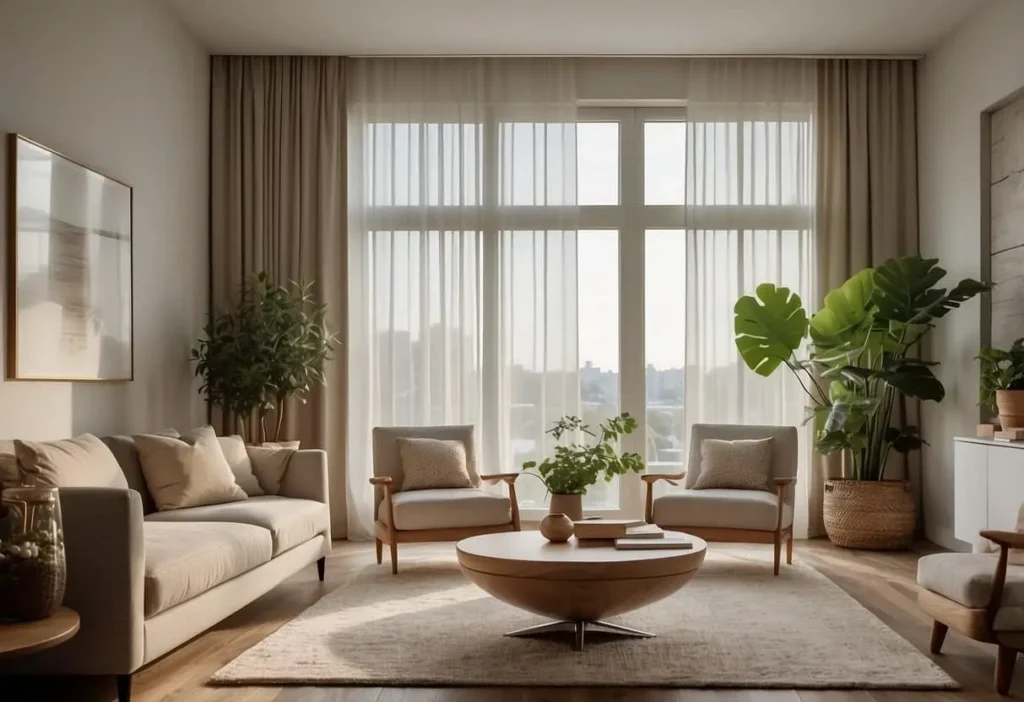
At its core, this philosophy blends restraint with warmth. It avoids excess without feeling cold and prioritizes harmony between form, function, and emotion. Here’s how those ideas come together in real homes.
Balance Over Boldness
Instead of statement pieces that dominate a room, the focus is on visual equilibrium. Furniture, lighting, and décor are chosen to complement one another, creating a sense of quiet cohesion.
What this looks like in practice:
- Sofas and chairs scaled to the room, not oversized
- Even distribution of visual weight across the space
- Negative space used intentionally to let the room breathe
Natural Materials With Purpose
Wood, stone, linen, clay, and glass often take center stage—not for luxury, but for authenticity. These materials introduce subtle texture and age gracefully, adding character over time rather than wearing out.
Common material choices include:
- Light or mid-tone woods with visible grain
- Stone surfaces with matte finishes
- Soft textiles in neutral or earthy hues
According to research on human-centered environments, exposure to natural materials can positively influence mood and well-being, reinforcing why these choices feel so comfortable at home (Harvard Graduate School of Design)
Light as a Design Element
Lighting isn’t an afterthought—it’s integral. Layered lighting plans combine ambient, task, and accent light to support different moments of the day.
Effective lighting strategies:
- Warm, diffused ceiling light for evenings
- Focused task lighting in kitchens and workspaces
- Soft accent lighting to highlight textures and architectural lines
The goal is adaptability, not drama.
Function-First Layouts
Every element has a reason to exist. Storage is built in, circulation paths are clear, and furniture supports daily routines. This approach reduces clutter not by hiding it, but by designing smarter systems from the start.
Nomurano-Inspired Spaces Room by Room

Applying these ideas doesn’t require a full renovation. Even small, intentional changes can dramatically shift how your home feels and functions.
Living Rooms: Calm, Not Empty
The living room becomes a place to unwind rather than impress. Seating is comfortable and arranged for conversation, not display.
Design tips:
- Choose a low-profile sofa in a textured fabric
- Limit décor to a few meaningful objects
- Use one focal point, such as a window or artwork
A single indoor plant or handcrafted piece often provides all the character the room needs.
Kitchens: Quietly Efficient
In the kitchen, simplicity enhances usability. Clean lines and intuitive storage reduce visual clutter, making the space easier to maintain.
Key elements:
- Handle-less or minimalist cabinetry
- Open shelving used sparingly
- Durable, natural countertops
Rather than hiding everything, frequently used items are displayed neatly, reinforcing both function and beauty.
Bedrooms: Restorative by Design
Bedrooms benefit greatly from this approach because the emphasis on calm directly supports rest.
What to focus on:
- A limited color palette (2–3 tones max)
- Soft lighting positioned at eye level
- Natural bedding materials for comfort
The absence of unnecessary furniture creates mental space, helping the room feel like a true retreat.
Bathrooms: Spa Without the Excess
Bathrooms become serene, practical sanctuaries. Texture replaces ornamentation, and quality replaces quantity.
Common upgrades:
- Stone or concrete finishes
- Floating vanities for visual lightness
- Simple fixtures with tactile appeal
Even small bathrooms feel more expansive when visual noise is removed.
Small Homes and Apartments
This design philosophy is especially effective in compact spaces. By prioritizing flow and multi-use furniture, small homes feel intentional rather than cramped.
Smart strategies include:
- Built-in seating with storage
- Sliding doors instead of hinged ones
- Consistent materials across rooms to unify the space
Why This Aesthetic Lasts
Trends often rely on novelty, but this approach relies on human comfort. That’s why it ages well. Homes designed this way adapt to lifestyle changes without needing constant updates.
Key long-term benefits:
- Lower renovation fatigue due to timeless choices
- Improved daily comfort through functional layouts
- Greater emotional connection to your space
When your environment supports your routines and senses, it quietly improves quality of life.
Getting Started Without Overhauling Everything
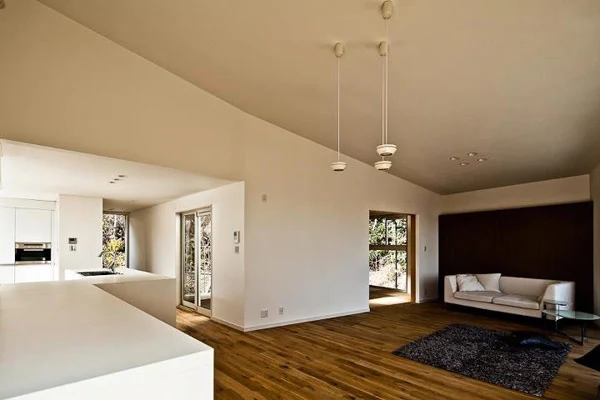
You don’t need to start from scratch. Gradual changes often lead to better results.
Start small:
- Edit existing décor before buying new pieces
- Replace one synthetic material with a natural one
- Adjust lighting temperature to warmer tones
As you live with these changes, the direction becomes clearer. Over time, the home naturally aligns with this thoughtful design mindset, making Nomurano less of a style choice and more of a lived experience.
Conclusion
Embracing this aesthetic isn’t about perfection—it’s about intention. By focusing on balance, materials, and how spaces truly function, you can transform your home into a calmer, more supportive environment; start with one room, make deliberate choices, and let the transformation unfold naturally.