Modern teams are juggling more tools, more tasks, and tighter deadlines than ever before. In that environment, Grospal has emerged as a streamlined digital workspace that brings clarity to daily operations without overwhelming users. Instead of forcing teams to adapt to rigid systems, it focuses on flexible workflows, visibility, and collaboration—making it appealing to professionals who want structure without complexity.
This article explains what the platform is, how it works in real scenarios, and which types of users benefit most from adopting it.
What Is Grospal and How Does It Work?
At its core, Grospal is a centralized platform for productivity and workflow management. It brings tasks, communication, progress tracking, and reporting into a single shared environment, so teams can focus on execution rather than tool-hopping.
A central hub for work
Rather than replacing every app a team already uses, the platform acts as a coordination layer. Projects, goals, and responsibilities live in one place, creating a single source of truth for daily work.
How the workflow typically looks
A realistic setup often includes:
- Projects are broken into manageable tasks
- Owners assigned to each task for accountability
- Timelines or status views to track progress visually
- Comments and updates are attached directly to work items
This structure reduces confusion, especially in remote or hybrid teams where informal communication is limited.
Designed for flexibility
One of its strengths is adaptability. Teams can organize work by:
- Priority
- Department
- Client
- Deadline
- Workflow stage
That flexibility allows the tool to grow with the business rather than become obsolete after the first few months.
Key Features That Set Grospal Apart
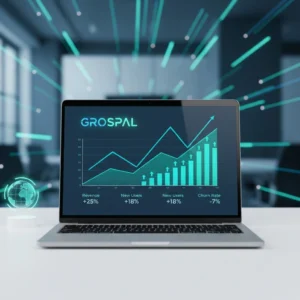
While many productivity tools look similar on the surface, several features set this platform apart in day-to-day use.
Visual dashboards for instant clarity
Dashboards provide a quick snapshot of what’s happening:
- Tasks due today or this week
- Projects at risk
- Workloads by team member
Instead of digging through lists, users can spot issues early and adjust priorities before delays happen.
Workflow automation that saves time
Simple automations reduce repetitive work, such as:
- Automatically updating task status
- Triggering reminders before deadlines
- Assigning follow-up tasks when milestones are reached
Even small automations can save hours over the course of a month.
Built-in collaboration
Comments, mentions, and file attachments stay connected to the task itself. This context-driven communication helps teams avoid long email threads and lost information.
Reporting without complexity
Managers can generate clear progress reports without exporting data to spreadsheets. This supports better decision-making and aligns with modern project governance standards outlined by institutions such as the Project Management Institute.
Who Should Use Grospal?
Not every tool fits every team, but this platform is particularly useful for certain groups.
Small and growing businesses
Smaller organizations often need structure but lack dedicated project managers. The platform provides:
- Clear ownership
- Simple tracking
- Scalable processes
This helps teams stay organized as they grow.
Remote and hybrid teams
Distributed teams benefit from shared visibility. Everyone can see:
- What others are working on
- What’s blocked
- What’s coming next
That transparency reduces misunderstandings and improves trust.
Operations and project managers
For those responsible for delivery, the tool offers:
- Real-time oversight
- Fewer status meetings
- Faster reporting
It supports proactive management instead of reactive firefighting.
Agencies and client-focused teams
Teams managing multiple clients can separate workspaces, timelines, and priorities while keeping everything under one umbrella.
Real-World Use Cases
Seeing how the platform fits into everyday work makes its value clearer.
Example 1: Marketing campaign planning
A marketing team launches a product campaign by:
- Creating a project for the launch
- Assigning tasks for content, ads, and design
- Tracking progress through visual boards
Deadlines stay visible, and bottlenecks are addressed early.
Example 2: Product development sprints
A small product team organizes sprint tasks, reviews progress in weekly check-ins, and adjusts priorities based on real-time data rather than guesswork.
Example 3: Operations management
An operations manager monitors recurring processes, such as onboarding or quality checks, ensuring nothing slips through the cracks.
Common Mistakes to Avoid
Even the best tools can underperform if used incorrectly.
- Overcomplicating workflows instead of starting simple
- Ignoring dashboards and relying only on lists
- Not defining ownership for tasks
- Skipping onboarding for new team members
Avoiding these mistakes ensures teams see results faster.
FAQs
Is it suitable for non-technical teams?
Yes. Its interface is designed for everyday business users, not just technical roles.
Can it scale as a company grows?
The platform supports increasing workloads and team sizes without requiring a complete process overhaul.
Does it replace all other tools?
Not necessarily. It works best as a central coordination space rather than a one-size-fits-all replacement.
Conclusion
If your team needs better visibility, smoother collaboration, and less time wasted switching tools, this platform is worth exploring—start small, test real workflows, and experience the difference firsthand.
Also Read: How Nomurano Aesthetics Can Transform Your Home Design