Introduction
The event industry has changed quickly, and paper tickets are no longer enough for organizers who want faster entry, safer payments, better tracking, and smoother customer experiences. Bilieter represents the growing shift toward smart digital ticketing, where ticket sales, attendee management, check-ins, booking records, and performance insights can be handled through a modern online system. For event planners, venue owners, entertainment businesses, and tech-focused organizers, digital ticketing is not just a convenience anymore; it is becoming a practical need.
What Is Smart Digital Ticketing?
Smart digital ticketing is the process of creating, selling, managing, and validating tickets through online tools instead of relying only on printed tickets or manual entry lists. It usually includes e-tickets, QR codes, online payment options, mobile access, automated confirmations, and real-time attendance tracking.
In simple words, a smart ticketing system helps organizers move from slow manual work to a faster digital process. Instead of printing hundreds or thousands of tickets, collecting cash manually, and checking names at the gate, organizers can sell tickets online and scan them at entry points.
A digital ticketing setup may be used for:
- Concerts and music festivals
- Business conferences
- Theater shows
- Sports events
- Workshops and seminars
- School or university events
- Trade shows and exhibitions
- Community gatherings
- Private paid events
- Online or hybrid events
The biggest advantage is control. Organizers can see how many tickets have been sold, which ticket types are performing best, how many people checked in, and whether the event is close to capacity.
Why Digital Ticketing Matters Today
Modern customers expect speed and convenience. They are used to booking rides, ordering food, paying bills, and shopping online. The same expectation now applies to events. If buying a ticket feels complicated, many users may leave before completing the purchase.
Digital ticketing helps solve this problem by making the process easier. A visitor can discover an event, choose a ticket, pay online, and receive confirmation without visiting a physical counter.
For organizers, the benefits are even bigger. Manual ticketing can create many problems, such as:
- Lost paper tickets
- Fake or duplicate tickets
- Long queues at entry gates
- Human errors in counting attendees
- Poor sales tracking
- Limited customer data
- Difficulty managing refunds or changes
- Weak reporting after the event
A smart ticketing platform reduces these issues by keeping ticket data in one place and making the process more transparent.
What Makes Bilieter Useful for Event Organizers?
A system like this can be useful because it focuses on simplifying event ticketing from start to finish. Instead of using separate tools for sales, attendee lists, check-ins, and reports, organizers can manage more of the process through one digital setup.
For organizers, Bilieter can support a more structured event workflow by helping with ticket sales, online bookings, attendee tracking, and event performance monitoring. This is especially helpful for teams that want to save time and avoid the confusion of manual spreadsheets or paper-based entry systems.
A strong digital ticketing solution should help answer important questions such as:
- How many tickets have been sold?
- Which ticket category is most popular?
- How many attendees have checked in?
- Are there any failed or incomplete bookings?
- Which marketing channel is bringing more buyers?
- Is the venue close to full capacity?
- What was the final sales result after the event?
These insights can help organizers make better decisions before, during, and after an event.
Key Features of a Smart Ticketing Platform
Online Ticket Sales
Online ticket sales are the heart of any digital ticketing system. Instead of asking people to buy tickets physically, organizers can allow customers to book from their phone, laptop, or tablet.
This makes the event more accessible because buyers can purchase tickets at any time. It also helps organizers collect sales earlier instead of waiting until the event day.
QR Code or Digital Check-In
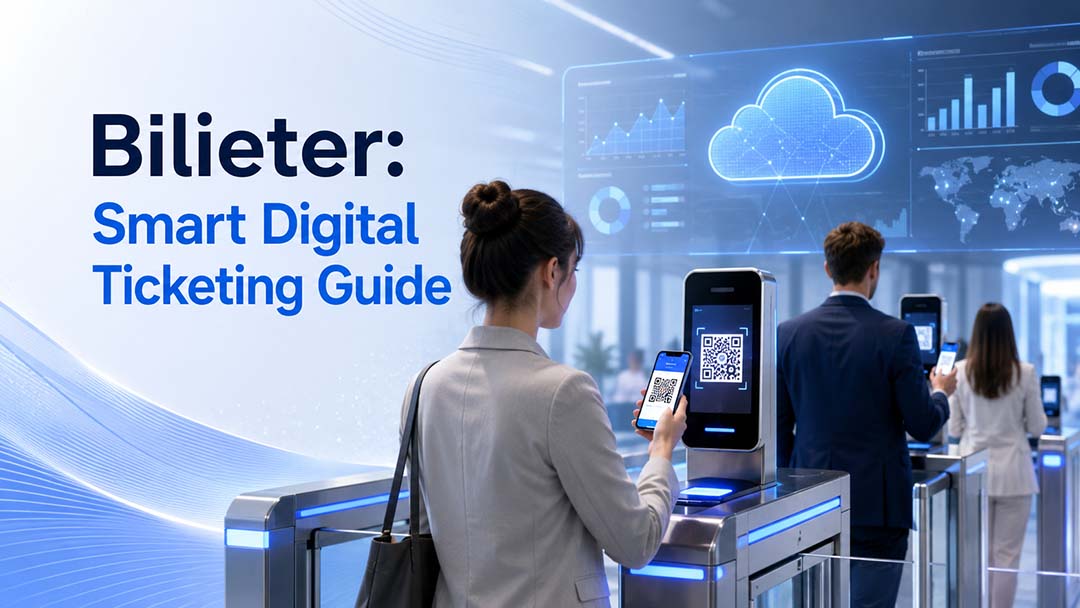
QR code check-in is one of the most useful features in modern ticketing. Each ticket can include a unique code that is scanned at the entry point. This helps reduce fake tickets and speeds up entry.
A smooth check-in process improves the guest experience because people do not want to stand in long lines. It also helps the event team know exactly how many people have arrived.
Attendee Management
Attendee management includes keeping track of names, ticket types, booking details, and entry status. This is useful for both small and large events.
For example, a business seminar may need to know which attendees purchased VIP access, which ones registered as students, and which guests require special seating. Digital records make this easier to manage.
Payment Integration
A reliable ticketing system should support secure payment handling. Since online ticketing often involves card payments or digital wallets, organizers should pay attention to payment security and compliance.
For a relevant authority resource on payment security, visit the PCI Security Standards Council: https://www.pcisecuritystandards.org/standards/
This is important because customers trust platforms that protect their payment information and provide a safe checkout experience.
Real-Time Reporting
Real-time reporting helps organizers understand what is happening without waiting until the event ends. They can monitor ticket sales, revenue, attendance, and booking trends as they happen.
This is useful for marketing decisions too. If sales are slow, organizers can adjust promotions. If one ticket type is selling fast, they can plan capacity or pricing more carefully.
Automated Confirmation
After a person buys a ticket, they should receive confirmation quickly. Automated emails or digital receipts reduce confusion and make the process feel professional.
A good confirmation message usually includes:
- Event name
- Date and time
- Venue or access link
- Ticket type
- Booking reference
- QR code or entry instructions
- Refund or support information
This helps customers feel confident that their booking is complete.
Benefits for Customers
Digital ticketing is not only useful for organizers. It also improves the customer experience. People want a simple and reliable way to book events without unnecessary steps.
Customer benefits include:
- Easy online booking
- Faster entry at the venue
- Less risk of losing a paper ticket
- Instant confirmation
- Mobile-friendly access
- Clear event details
- Easier transfer or sharing options, if allowed
- Better support in case of booking issues
When customers have a smooth ticketing experience, they are more likely to trust the event brand and attend future events.
Benefits for Businesses and Event Teams
For businesses, digital ticketing can support better planning and stronger revenue management. Event teams can reduce manual work and spend more time improving the actual event experience.
Business benefits include:
- Lower printing costs
- Better sales visibility
- Reduced manual errors
- Stronger fraud prevention
- Easier attendee tracking
- Faster check-in management
- Improved customer records
- Better post-event reporting
- More professional brand image
Digital systems are also easier to scale. A small workshop may only need basic ticketing, while a large festival may need multiple ticket types, access zones, staff roles, and advanced reports.
Security in Digital Ticketing
Security is one of the most important parts of online ticketing. If a ticketing system is not secure, it can create problems such as fake tickets, stolen payment information, account misuse, or unauthorized entry.
A secure platform should consider:
- Encrypted payment processing
- Unique ticket codes
- Secure user accounts
- Fraud detection
- Controlled admin access
- Safe customer data storage
- Clear refund and cancellation rules
- Reliable check-in validation
Organizers should also train their staff. Even the best system can fail if entry staff do not know how to scan tickets, handle duplicate scans, or respond to technical issues.
How AI Can Improve Ticketing
Artificial intelligence is becoming more common in event technology. AI can help organizers understand patterns and improve decisions. It may support smarter reporting, customer behavior analysis, demand forecasting, fraud detection, and personalized recommendations.
For example, AI-powered insights may help an organizer understand which ticket category sells best, when customers are most likely to buy, or whether promotional campaigns are working. This can make event planning more data-driven instead of relying only on guesswork.
AI should not replace human decision-making, but it can make the ticketing process more efficient and informed.
Choosing the Right Digital Ticketing System
Before choosing any ticketing platform, organizers should think about their event size, audience, budget, and technical needs. The best system is not always the one with the most features. It is the one that solves the real problems of the event.
Important things to check include:
- Is the platform easy to use?
- Does it support mobile ticketing?
- Can it handle the expected number of attendees?
- Does it provide secure payment options?
- Are reports clear and useful?
- Can tickets be scanned quickly?
- Is customer support available?
- Does it support refunds or cancellations?
- Can different ticket types be created?
- Is the checkout process simple for buyers?
A complicated system can create more problems than it solves. The goal should be to make ticketing easier for both the organizer and the attendee.
Common Mistakes to Avoid
Digital ticketing can be powerful, but only when it is set up properly. Many organizers make simple mistakes that affect sales or customer experience.
Avoid these mistakes:
- Creating a confusing ticket page
- Adding too many unnecessary steps at checkout
- Not testing payment methods before launch
- Forgetting to test QR code scanning
- Not training entry staff
- Using unclear refund policies
- Ignoring mobile users
- Not checking event capacity limits
- Failing to monitor sales data
- Waiting too long to promote the event
A good ticketing setup should be tested before the event goes live. This includes buying a test ticket, checking the confirmation email, scanning the code, and reviewing the report dashboard.
Future of Smart Ticketing
The future of ticketing is likely to become more mobile, automated, and data-driven. More events will use QR codes, mobile wallets, contactless entry, digital identity checks, personalized offers, and AI-based analytics.
Hybrid events may also increase the need for flexible ticketing. Some attendees may join physically, while others may attend online. This means ticketing systems must support different access types and user experiences.
As customer expectations grow, event organizers who use modern tools will have an advantage. Fast booking, secure payment, clear communication, and smooth entry can make a strong difference in how people remember an event.
FAQs
What is digital ticketing?
Digital ticketing is a system that allows tickets to be created, sold, delivered, and checked through online or mobile tools instead of only using printed paper tickets.
Is smart ticketing useful for small events?
Yes, smart ticketing can help small events too. It can reduce manual work, organize attendee details, provide online payments, and make entry easier.
Why are QR codes used in event tickets?
QR codes are used because they are fast to scan and can carry a unique ticket identity. This helps validate tickets and reduce duplicate or fake entries.
What should organizers look for in a ticketing platform?
Organizers should look for ease of use, secure payments, mobile support, real-time reporting, fast check-in, ticket customization, and reliable customer support.
Can digital ticketing reduce event fraud?
Yes, digital ticketing can reduce fraud when it uses unique codes, secure validation, controlled access, and real-time check-in tracking.
Conclusion
Smart digital ticketing is changing how events are planned, sold, and managed. It helps organizers reduce manual work, improve customer experience, track sales, manage attendees, and create a smoother entry process. As events become more digital and customer expectations continue to rise, platforms like Bilieter show why modern ticketing systems are becoming an important part of event technology.