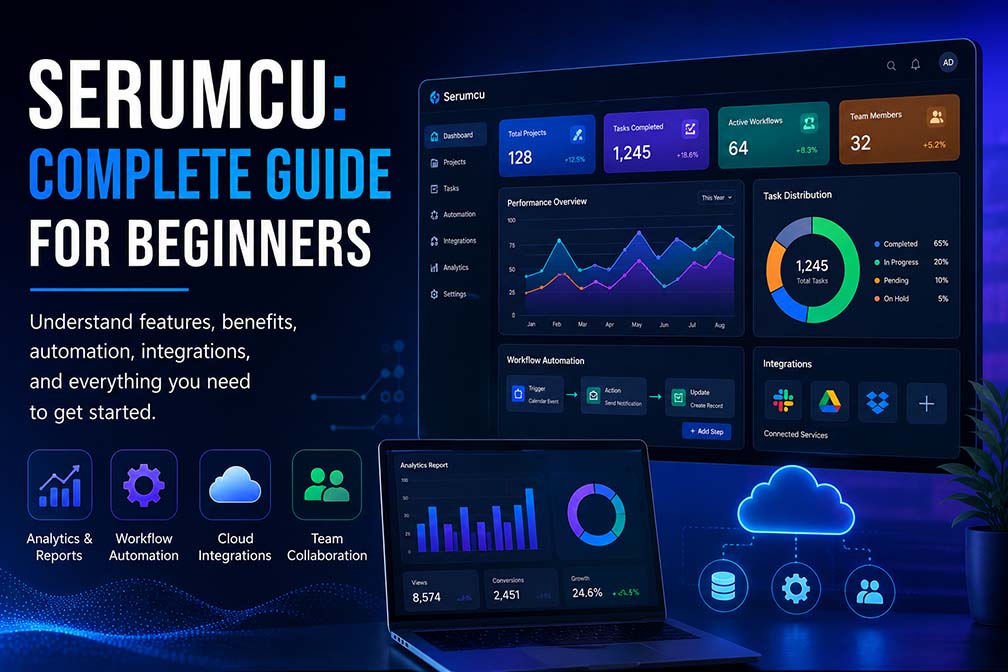
Introduction
In today’s digital-first world, businesses and individuals constantly seek smarter tools to manage data, automate tasks, and improve productivity. Serumcu has recently gained attention as a technology-focused solution that promises a more streamlined and efficient way to handle digital workflows. Whether you are a beginner exploring new software tools or a professional looking to understand emerging platforms, this guide will help you learn the fundamentals, features, benefits, and practical considerations associated with Serumcu.
What Is Serumcu?
Serumcu is generally discussed as a modern technology platform designed to simplify digital operations through automation, data management, and workflow optimization. While specific implementations may vary depending on the provider or use case, the platform is commonly associated with tools that help users organize information, improve collaboration, and reduce repetitive tasks.
For beginners, the easiest way to think about it is as a productivity-oriented technology solution that combines multiple digital functions into a more unified experience.
Why Beginners Are Interested in Serumcu
Many newcomers are attracted to technology platforms that are easy to learn and provide immediate value. Several factors contribute to the growing interest in Serumcu:
- Simple user interface for new users
- Automation of repetitive processes
- Centralized data management
- Collaboration features for teams
- Cloud-based accessibility
- Scalability for growing projects
These features make it appealing for freelancers, startups, small businesses, and even larger organizations exploring digital transformation.
Core Features
1. Workflow Automation
One of the most valuable aspects of modern technology platforms is automation. Users can often create rules and triggers that perform actions automatically, such as:
- Sending notifications
- Updating records
- Assigning tasks
- Generating reports
- Synchronizing data between systems
2. Data Organization
Managing information efficiently is a major challenge for many businesses. A centralized system can help users:
- Store important records
- Categorize data
- Search information quickly
- Maintain consistency across teams
3. Collaboration Tools
Remote and hybrid work environments require better collaboration. Common collaboration features include:
- Shared workspaces
- Team comments
- Task tracking
- File sharing
- Activity history
4. Analytics and Reporting
Technology platforms increasingly provide insights through dashboards and reports. Users may be able to monitor:
- Project progress
- Team performance
- Task completion rates
- Operational trends
- Business metrics
How It Works
For beginners, the typical workflow looks like this:
Create Account
→
Set Up Workspace
→
Add Data
→
Automate & Analyze
- Create an account and set up a workspace.
- Add projects, tasks, or data records.
- Configure automation rules based on your needs.
- Invite team members if collaboration is required.
- Monitor results through dashboards and reports.
This step-by-step approach makes it easier for non-technical users to get started without extensive training.
Benefits of Using Serumcu
Saves Time
Automation reduces manual work and allows teams to focus on higher-value tasks.
Improves Accuracy
Automated processes help minimize human errors in repetitive operations.
Enhances Collaboration
Teams can work from a shared environment with better visibility.
Supports Growth
Many modern platforms are designed to scale as business needs expand.
Provides Better Visibility
Real-time dashboards help users make more informed decisions.
Potential Limitations
Like any technology solution, it is important to understand possible drawbacks:
- Learning curve for advanced features
- Subscription costs
- Integration limitations with some third-party tools
- Dependence on internet connectivity for cloud-based usage
- Need for proper data management practices
Evaluating these factors before adoption can help users choose the right setup for their needs.
Who Should Use It?
This type of platform may be suitable for:
| User Type | Potential Use |
|---|---|
| Freelancers | Project management and client tracking |
| Startups | Team collaboration and workflow automation |
| Small Businesses | Operational management |
| Marketing Teams | Campaign tracking and reporting |
| Remote Teams | Communication and task coordination |
| Consultants | Client workflow organization |
Getting Started: Beginner Checklist
If you are new to the platform, follow this simple checklist:
Beginner Setup Checklist
- Create an account.
- Define your primary goal.
- Set up a basic workspace.
- Add a few sample tasks or records.
- Test one automation rule.
- Invite one team member if needed.
- Review analytics after a few days.
- Adjust workflows based on actual usage.
Starting small is often the best strategy for beginners.
Best Practices for New Users
Start With One Workflow
Instead of automating everything immediately, begin with a single repetitive process.
Keep Data Organized
Use clear naming conventions and categories from the beginning.
Review Automation Rules
Test workflows carefully to ensure they produce the expected results.
Train Team Members
Consistent usage across the team improves overall efficiency.
Monitor Performance
Use analytics to identify bottlenecks and opportunities for improvement.
Security Considerations
When using any cloud-based technology platform, pay attention to security:
- Use strong passwords.
- Enable two-factor authentication if available.
- Control user permissions carefully.
- Regularly review account activity.
- Back up critical data when possible.
Good security habits are essential regardless of the platform you choose.
The Future of Workflow Technology
The growing demand for automation, artificial intelligence, and cloud collaboration is shaping the future of platforms like Serumcu. Industry trends suggest that businesses increasingly prefer tools that can:
- Reduce manual work
- Integrate with multiple services
- Provide real-time insights
- Support remote teams
- Scale efficiently
As digital transformation continues, workflow and productivity platforms are likely to become even more important.
Learn More About Workflow Automation
For additional information about workflow automation and productivity technologies, you can explore resources from IBM:
https://www.ibm.com/topics/workflow-automation
FAQs
1. Is Serumcu suitable for beginners?
Yes. Most discussions around the platform emphasize ease of use and a relatively beginner-friendly setup process.
2. Can small businesses use it effectively?
Small businesses often benefit from centralized workflows, task management, and automation features.
3. Does it require coding knowledge?
Many modern workflow platforms are designed for non-technical users and provide visual configuration tools instead of requiring programming skills.
4. Is cloud access important?
Yes. Cloud accessibility allows users to work from different locations and collaborate more easily.
5. What is the biggest advantage for beginners?
The ability to automate repetitive tasks while keeping projects and data organized in one place is often considered the biggest advantage.
Conclusion
For beginners exploring modern productivity and automation tools, Serumcu represents an interesting example of how technology platforms can simplify workflows, improve collaboration, and provide better visibility into daily operations. By starting with basic features, organizing data carefully, and gradually introducing automation, new users can build a strong foundation and maximize the benefits of digital workflow management.
Read Also: Bilieter: Smart Digital Ticketing Guide