Introduction
Grocery shopping has quietly undergone one of the biggest transformations in modern retail. What once meant pushing a cart through crowded aisles and waiting in checkout lines is now becoming faster, smarter, and far more personalized. The idea behind Supermaked reflects this shift — a modern grocery retail approach that blends technology, convenience, and customer experience into a seamless way of shopping. As consumer habits evolve alongside digital innovation, retailers are rethinking not only how products are sold, but how shoppers interact with stores altogether.
The Evolution of Grocery Retail
To appreciate how grocery retail is changing today, it helps to look back briefly. Traditional neighborhood stores were built on personal relationships. Shopkeepers knew customers by name and often recommended products based on familiarity rather than data.
The supermarket era changed everything. Large self-service stores introduced convenience, competitive pricing, and variety under one roof. For decades, this model dominated global retail.
However, modern consumers now expect more than stocked shelves and discount signage. Smartphones, e-commerce platforms, and on-demand services have reshaped everyday expectations. People want shopping to fit into their schedules — not the other way around.
Several major forces have driven this evolution:
-
The rapid growth of online shopping habits
-
Increased demand for speed and convenience
-
Greater awareness of health and sustainability
-
The influence of mobile technology on buying decisions
-
The desire for personalized shopping experiences
Today’s grocery environment is no longer just transactional; it is experiential.
What Defines Modern Grocery Retail?
Modern grocery retail focuses on removing friction from the shopping journey while making the experience more engaging and efficient. Instead of simply selling products, retailers aim to solve everyday problems for customers.
Technology That Supports Convenience
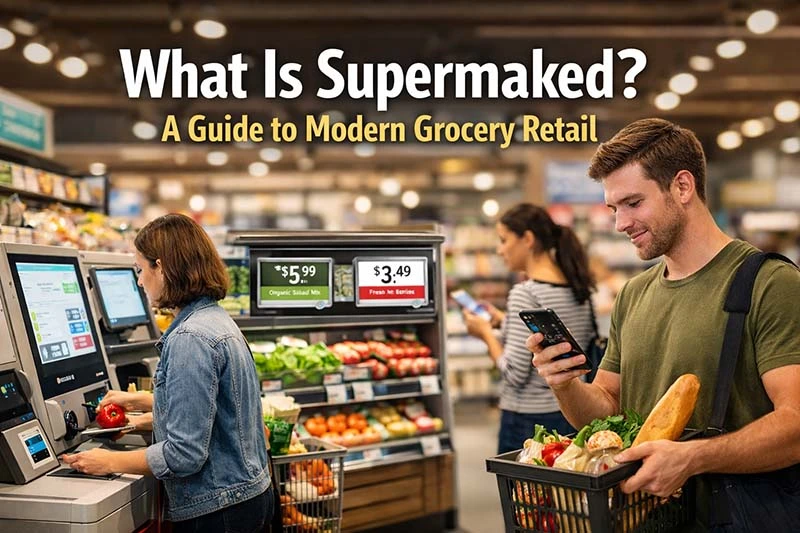
Technology now works quietly in the background to simplify shopping. Many stores have introduced tools that customers quickly come to rely on:
-
Self-checkout stations that reduce waiting times
-
Mobile payment and digital wallets
-
Electronic shelf labels updating prices instantly
-
Smart inventory systems that prevent out-of-stock items
Anyone who has stood in a long checkout line understands how meaningful even small improvements can feel. Faster transactions alone can completely change customer satisfaction.
Omnichannel Shopping Experiences
Modern grocery retail no longer separates online and in-store shopping. Customers often move between both without thinking about it.
A typical shopping journey today might look like this:
-
Browsing products on a mobile app during a commute
-
Placing an order online
-
Picking items up on the way home
Services such as click-and-collect, curbside pickup, and same-day delivery have become expectations rather than luxuries.
Personalization Through Data Insights
Retailers increasingly use purchasing data to understand customer preferences. Loyalty programs and apps help stores recommend products, offer tailored discounts, and even adjust product placement based on demand patterns.
While shoppers may not always notice it, personalization helps reduce decision fatigue by showing relevant options instead of overwhelming choices.
How Modern Retail Concepts Differ From Traditional Supermarkets
Traditional supermarkets were designed for efficiency at scale. Modern grocery concepts, however, are designed around customer behavior.
Traditional Supermarkets
-
Focus mainly on product volume and pricing
-
Standard checkout processes
-
Limited customization
-
Store-centered operations
Modern Grocery Models
-
Technology-enhanced shopping journeys
-
Faster or contactless checkout experiences
-
Personalized promotions and recommendations
-
Integration between digital and physical shopping
The difference is subtle but powerful: instead of asking customers to adapt to the store, the store adapts to the customer.
The Growing Role of Technology in Smart Grocery Stores
Technology has become the backbone of retail innovation. Yet the goal is not to replace human interaction — it is to remove friction so employees can focus more on service and less on repetitive tasks.
Artificial Intelligence and Inventory Management
AI tools analyze purchasing trends to forecast demand more accurately. This helps stores keep popular items stocked while reducing food waste caused by over-ordering.
For shoppers, this means fewer frustrating moments when essential items are unavailable.
Frictionless Checkout Systems
Some retailers now allow customers to scan products using their smartphones as they shop. Others experiment with automated checkout systems that eliminate traditional cashier lines altogether.
These innovations respond directly to a simple consumer desire: save time.
Smarter Supply Chains
Behind the scenes, logistics technology ensures fresher products reach shelves faster. According to insights from the National Retail Federation, digital supply chain systems improve efficiency while lowering operational costs for retailers.
Changing Consumer Expectations
Consumer behavior has shifted dramatically, particularly among younger shoppers who grew up with digital convenience.
Key expectations shaping grocery retail today include:
-
Speed: Long waits reduce satisfaction and loyalty.
-
Transparency: Customers want to know where products come from.
-
Health awareness: Demand for organic and fresh options continues to rise.
-
Flexibility: Multiple shopping and delivery choices matter.
Many shoppers now choose stores based not only on price but also on how easy and enjoyable the experience feels.
Sustainability as a Core Retail Strategy
Sustainability has moved from marketing trend to operational necessity. Grocery retailers increasingly recognize that environmental responsibility influences purchasing decisions.
Common initiatives include:
-
Reducing plastic packaging
-
Using energy-efficient refrigeration systems
-
Donating unsold food to reduce waste
-
Partnering with local suppliers
-
Encouraging reusable shopping options
Customers often feel more connected to brands that demonstrate genuine environmental commitment rather than symbolic efforts.
Community-Centered Shopping Experiences
One interesting shift in modern grocery retail is the return of community connection — but in a new form. While technology drives efficiency, many stores are also becoming neighborhood hubs.
Examples include:
-
Featuring locally produced goods
-
Hosting cooking demonstrations or tasting events
-
Offering nutrition and wellness workshops
-
Supporting regional farmers and small businesses
This balance between innovation and community creates stronger emotional loyalty among shoppers.
Benefits for Consumers
Modern grocery retail delivers practical advantages that shoppers notice immediately:
-
Faster shopping trips
-
Reduced checkout stress
-
Personalized savings and offers
-
Better product availability
-
Fresh and locally sourced options
-
More flexible purchasing methods
For busy households, these improvements transform grocery shopping from a chore into a smoother part of daily life.
Benefits for Retailers
Retailers also gain significant advantages by adopting modern strategies:
-
Improved demand forecasting
-
Lower operational inefficiencies
-
Stronger customer retention
-
Data-driven decision making
-
Increased customer lifetime value
Rather than competing only on price, businesses compete on experience and convenience.
Challenges Facing Modern Grocery Retail
Despite its benefits, modern grocery retail is not without obstacles.
High Technology Investment
Implementing advanced systems requires significant capital, which can be challenging for smaller businesses.
Data Privacy Considerations
As personalization grows, retailers must carefully protect customer data and maintain transparency.
Workforce Adaptation
Employees must learn new technologies and workflows, requiring continuous training and support.
Operational Complexity
Balancing online orders with in-store demand adds logistical pressure that retailers must manage carefully.
The Future of Grocery Shopping
Looking ahead, grocery retail is likely to become even more integrated with everyday technology. Emerging innovations may soon include:
-
AI-powered shopping assistants
-
Autonomous delivery solutions
-
Smart kitchen devices connected to grocery apps
-
Hyperlocal fulfillment centers for faster delivery
-
Expanded private-label product innovation
The overall direction is clear: grocery shopping will continue becoming more personalized, efficient, and aligned with modern lifestyles.
FAQs
What does modern grocery retail mean?
It refers to technology-driven grocery environments that combine digital tools, personalized experiences, and flexible shopping methods.
How is modern grocery shopping different from traditional supermarkets?
Modern retail emphasizes convenience, speed, and personalization, while traditional supermarkets mainly focus on product availability and pricing.
Why are grocery retailers investing heavily in technology?
Technology improves efficiency, reduces costs, enhances customer satisfaction, and supports faster shopping experiences.
Are modern grocery stores more environmentally friendly?
Many retailers now adopt sustainable practices such as reducing waste, improving energy efficiency, and sourcing products locally.
Conclusion
As consumer expectations continue evolving, grocery retail is moving toward smarter, more connected, and experience-focused environments, and Supermaked represents this broader shift toward convenience, personalization, and innovation in modern shopping.
Also Read: Blazertje Explained