Introduction
If you’ve ever managed a workshop or production floor, you already know how much the right tools can affect your daily workflow. From missed deadlines to inconsistent output, small inefficiencies quickly add up. That’s where Mutmax enters the conversation. Often mentioned in manufacturing and production circles, this brand has gained attention for its industrial solutions designed to simplify complex processes and improve operational consistency. In this review, we’ll take a practical look at what Mutmax offers, who it’s best for, and how its tools are used in real working environments.
What Is Mutmax, Really?
Despite sometimes being mistaken for a digital SaaS product, Mutmax is best known as a manufacturer of industrial machinery — particularly in the woodworking and furniture production space. The company focuses on equipment that supports cutting, shaping, sanding, drilling, and automated processing.
Rather than targeting casual hobbyists, its solutions are clearly built for professionals: factory owners, production managers, and workshop operators who need reliability at scale.
Think of it less as an “app” and more as a productivity platform in physical form — machines designed to take repetitive manual tasks and turn them into streamlined, automated workflows.
A Practical Look at Core Features
Instead of listing specs straight from a brochure, let’s talk about what these features actually mean on the floor.
Precision That Shows in Finished Products
One of the biggest selling points is accuracy. In manufacturing, even minor inconsistencies can lead to wasted materials or rejected products. Mutmax equipment is designed to produce repeatable results, helping teams maintain uniform quality across large batches.
For furniture makers or wood product manufacturers, this translates into cleaner edges, better joints, and fewer do-overs.
CNC Automation for Faster Output
Many models integrate CNC (Computer Numerical Control) systems. In simple terms, this allows operators to program cutting and shaping tasks instead of doing everything by hand.
The benefits are immediate:
- Faster production cycles
- Less dependence on manual skill for complex shapes
- Reduced error rates
- More predictable timelines
If you’re unfamiliar with CNC systems, this overview from Britannica explains how they work in modern manufacturing:
Built for Daily Industrial Use
These machines aren’t designed for occasional projects. They’re built to run all day.
Heavy-duty frames, reinforced components, and industrial-grade materials mean they can handle continuous workloads — which matters if downtime directly affects revenue.
Configuration Flexibility
Another practical advantage is adaptability. Depending on your setup, machines can often be configured for:
- Different power requirements
- Specific production layouts
- Custom processing needs
This flexibility makes them appealing to both growing workshops and established factories with unique workflows.
Real Benefits for Real Businesses
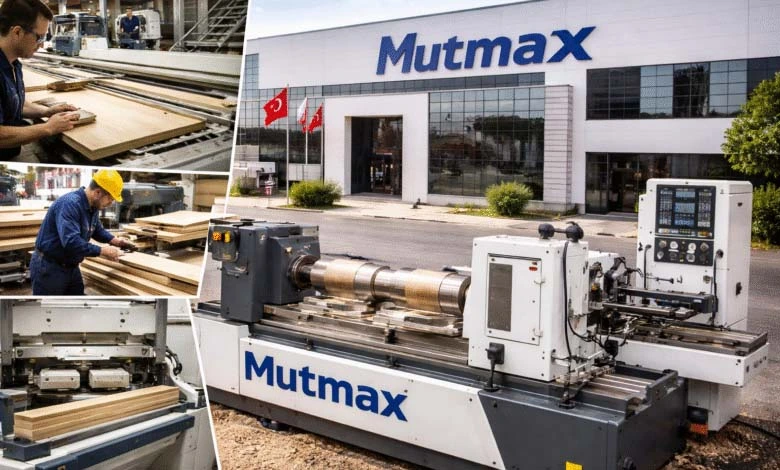
Features sound good on paper, but outcomes matter more. Here’s what users typically gain in everyday operations.
Smoother Production Flow
Automation removes bottlenecks. Instead of waiting on manual steps, materials move more efficiently from one stage to the next. Over time, this creates a noticeably smoother workflow.
Lower Error Rates
When machines handle repetitive tasks, mistakes drop. That means fewer rejected pieces, less wasted material, and more predictable quality — especially valuable in high-volume environments.
Long-Term Durability
Industrial equipment is a serious investment. The durability factor helps justify the upfront cost by reducing the need for frequent repairs or early replacements.
Scalability
As demand grows, automated systems make it easier to increase output without dramatically expanding staff. That scalability is one reason production-focused businesses look toward platforms like this.
Common Real-World Use Cases
Let’s move away from theory and look at how these tools are actually used.
Furniture Manufacturing Lines
In furniture factories, machines handle everything from shaping table legs to preparing panels for assembly. CNC-driven processes allow for consistent dimensions across hundreds or thousands of units.
Custom Woodworking Shops
Smaller workshops often use automation to stay competitive. Instead of hiring additional labour, owners rely on machinery to produce complex components faster while maintaining craftsmanship.
Large Production Facilities
For industrial operations, speed and reliability matter most. Automated cutting and shaping systems support high-throughput environments where delays are expensive.
In all three cases, the goal is the same: produce more, waste less, and maintain quality.
What About Safety and Support?
Any industrial platform is only as good as its safety practices and after-sales service.
Before investing, most businesses look closely at:
- Operator training availability
- Maintenance requirements
- Warranty coverage
- Access to replacement parts
- Local or regional technical support
These factors often matter just as much as the machine itself. Even the most advanced system loses value if support is hard to reach.
Pros and Cons at a Glance
Here’s a balanced snapshot for decision-makers.
Pros
- Strong focus on precision and consistency
- Automation reduces manual workload
- Durable construction for daily industrial use
- Flexible configurations for different workflows
- Suitable for both small workshops and large factories
Cons
- Initial investment can be significant
- Requires trained operators
- Not widely recognized in every region
- Physical footprint may be large for tight spaces
Who Is It Best For?
This platform makes the most sense for:
- Furniture manufacturers
- Wood product factories
- Custom woodworking professionals
- Production managers seeking automation
- Businesses aiming to scale without adding large teams
It’s less suitable for casual hobbyists or tiny workshops with limited space and budget.
FAQs
Is Mutmax a cloud-based software platform?
No. While sometimes described as a “platform,” it primarily refers to industrial machinery used in manufacturing and woodworking environments.
Can small workshops benefit from this type of equipment?
Yes, mainly if they’re producing custom or repeat products. Automation can save time and improve consistency even on a minor scale.
Do operators need special training?
Basic technical training is strongly recommended, particularly for CNC systems. Proper onboarding helps maximize performance and safety.
Is this equipment only for furniture makers?
Not exclusively. While furniture production is standard, any wood-based manufacturing process can potentially benefit.
How essential is maintenance?
Very. Regular servicing ensures accuracy, extends machine life, and prevents costly downtime.
Conclusion
Choosing the right production tools can completely change how a workshop or factory operates. From improving consistency to speeding up output, the value lies in long-term efficiency rather than short-term convenience. While not a traditional online tool, Mutmax fills a similar role in physical manufacturing — helping teams automate repetitive work and maintain quality at scale. For businesses ready to invest in durable, precision-driven systems, Mutmax can be a practical step toward smoother, more reliable production.
Also Read: What Is Mopoga?